

Est. 1871 · Wolcott, Vermont Complimentary ground shipping over $150
The Mill
Shuttlebrook Woolen Mill
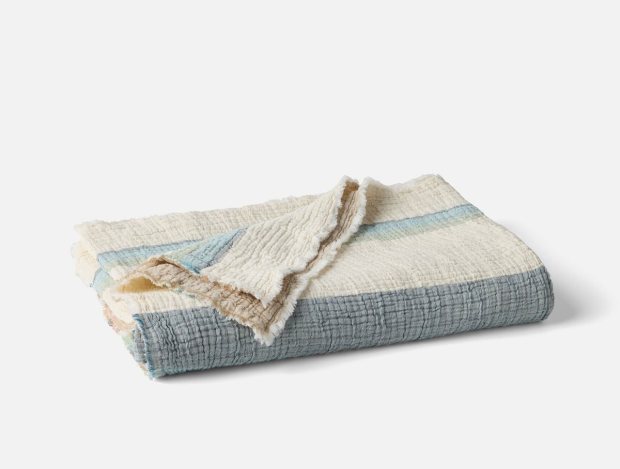
A wool blanket folded on a bench at the mill
Wolcott, Vermont · Since 1871

Cloth that outlives
the winter it was
bought for.

Fleece in at the west door, folded blankets out at the east. One hundred and fifty-five years, one building, one river.

187Pieces in stock
1871First wheel turned
100%Woven in the USA
The standing line

The lines we keep in the book

All 187 pieces
By department

Three rooms, three trades

Best sellers

What leaves the shipping room

Browse everything
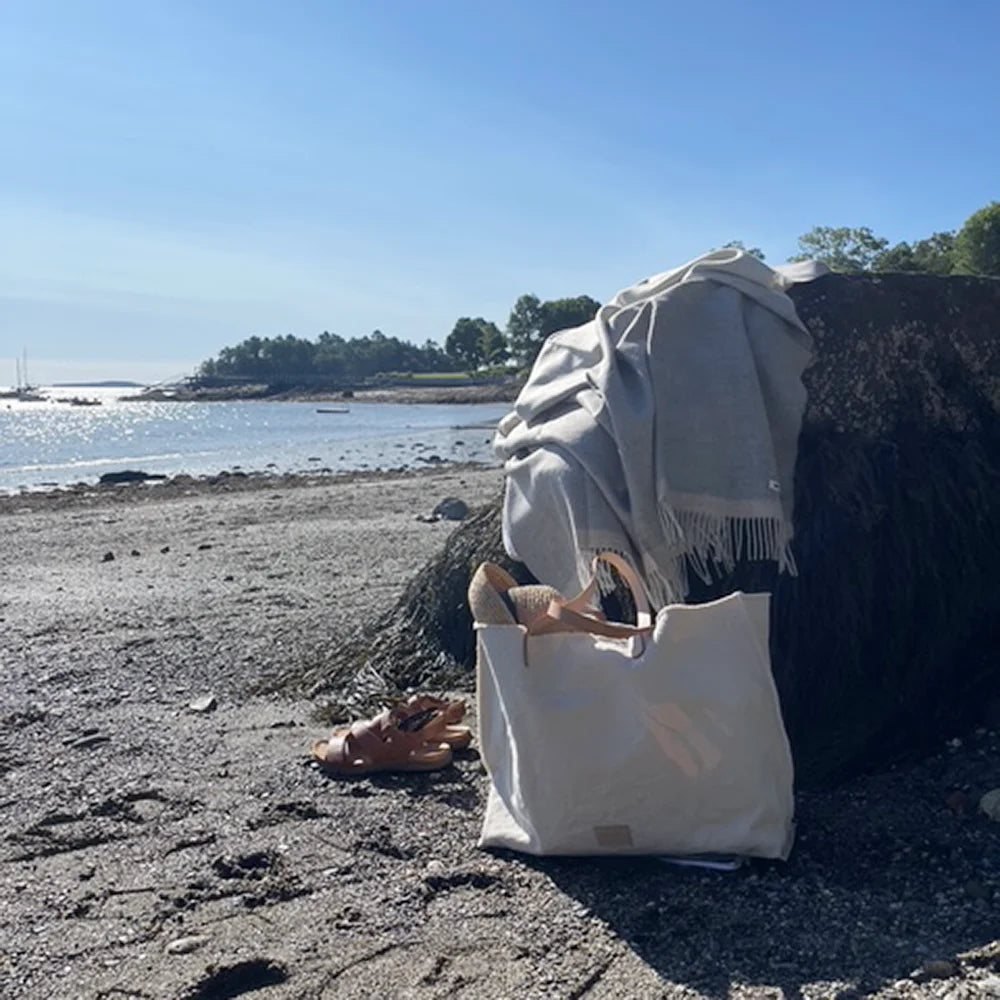
Wool throw draped over a chair
From the mill floor

We still full our wool in river water.

Fulling is the step that turns woven cloth into a blanket: hot water, soap, agitation, and a weaver who knows when to stop. Run it long and you get board. Stop early and it pills for a decade.

“You can teach the looms in a month. Fulling takes three winters.”

Everything we sell passes through that room, gets napped on the teasel gig, sheared level, and bound by hand on the sewing floor upstairs.

The whole process, step by step

How a blanket happens

Four rooms, eleven days

01

Sorting and dyeing

Raw fleece is skirted by hand, scoured, and dyed in the kettle house before it is ever carded.

02

Carding and spinning

Three card sets pull the fibres parallel; the mule spins a soft, lofty yarn that traps air rather than weight.

03

Weaving

Dobby looms run at a deliberate speed. Slower picks mean fewer broken ends and a squarer, more even cloth.

04

Fulling and finishing

River water, soap, the nap gig, the shear, then the binding tables. Every piece is inspected twice.

Heavier weights

For the rooms that never hold heat

Wool throws